From the Pulpit to the Street—An Urban Ministries Story
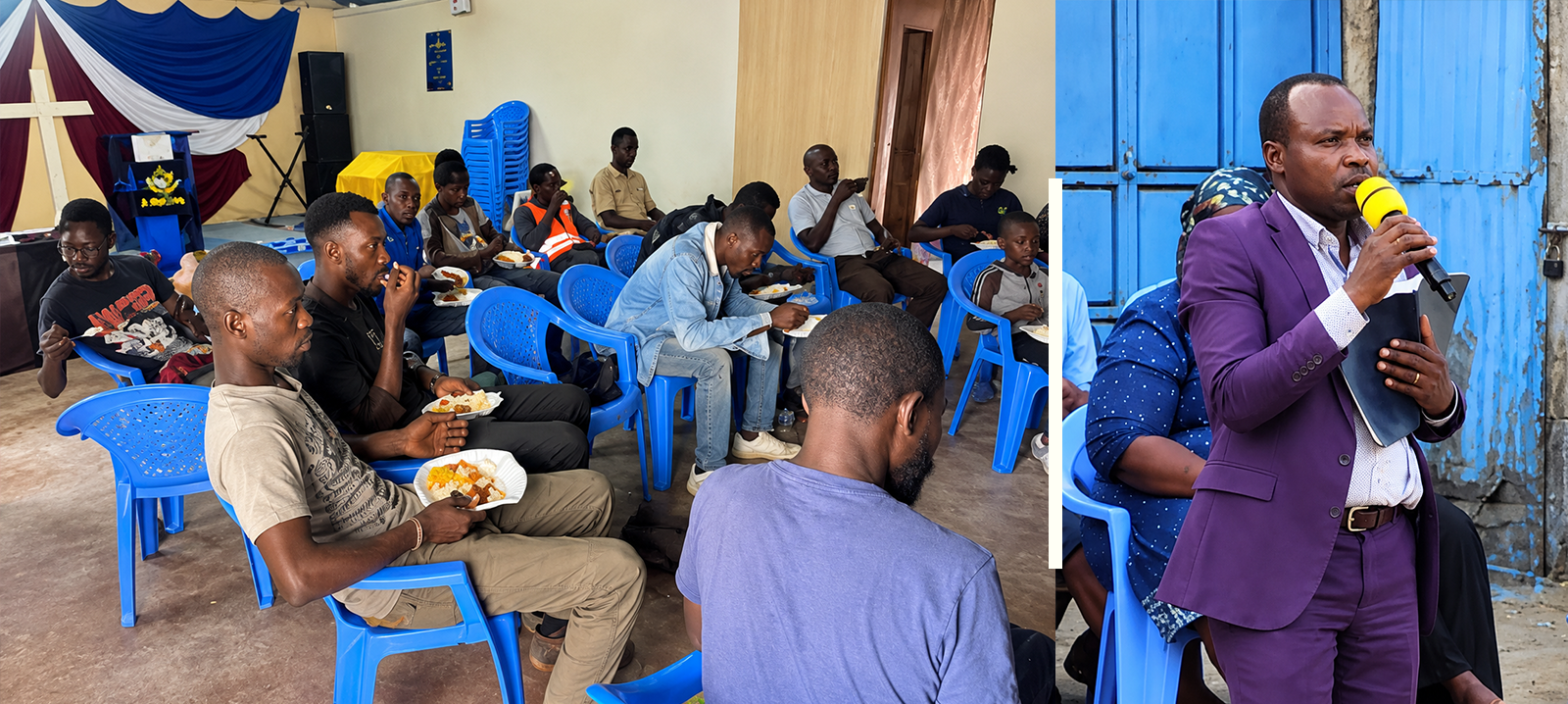
Rev. Douglas Otisoand, from Nairobi, Kenya, is married to Jennifer Makau, and they have three children. He is the lead pastor of Umoja Church of the Nazarene, which is located in the heart of the city.
For years, he understood ministry as the work that happens within the church walls and through its programmes. However, after receiving training in urban ministry, he realised that he needed to ask a different question: How does a church become relevant to the neighbourhood in which God has placed it?
The answer was not to wait for people to walk through the church doors. Ministry also meant going out, sitting with people, listening to the challenges they face and showing the love of Christ in ways they could experience.
Rev. Otisoand turned his attention to young people in the area who were struggling with drug and alcohol abuse. It is easy to see such people only as a problem to be managed. Instead, he began to see them as individuals made in the image of God, needing love, acceptance and a genuine opportunity for transformation. He started spending time with them, with no agenda beyond building relationships.
The effort has taken root. Between 26 and 30 of these young people now meet every Saturday to share a meal, talk about their lives and discuss matters of faith. “What I have learnt from those Saturdays is simple: relationships are usually the door through which the Gospel comes,” asserted Rev. Otisoand.
Change has been slow and uneven, but it is visible. Some have begun to turn away from the habits that were destroying their lives and now attend church and listen to the message, something that seemed almost impossible at the beginning.
Two challenges continue to emerge. The first is food. Many of these young people do not have access to regular meals, making spiritual conversations more difficult than one might imagine. Rev. Otisoand is praying for the resources to continue providing meals each Saturday.
The second challenge is access to professional support. Addiction is complex, and a church cannot address every aspect of it alone. There is hope that counsellors and rehabilitation professionals with expertise in addiction will join the ministry, either as volunteers or at minimal cost, to help guide these young people towards recovery.
“This was not the plan when I first joined the training in urban ministry,” said Rev. Otisoand. “However, the overlooked course has given birth to a weekly ministry. I describe the course as a theological idea with a practical call to move closer to people whom society leaves on the margins.”