ONE FIELD TEAM: When Strategy, Stewardship and Administration Learn to Move Together
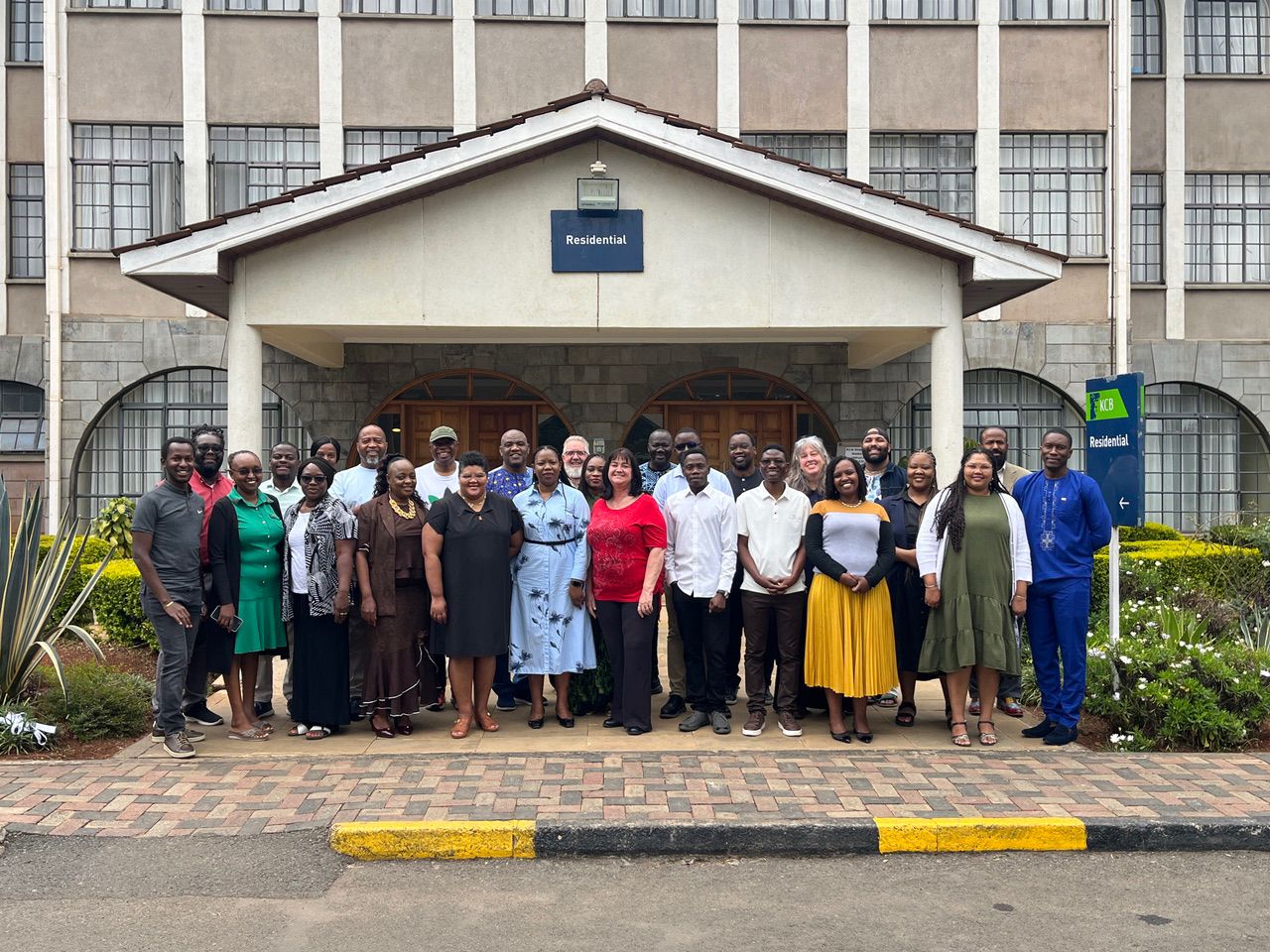
For five days in Nairobi, Kenya, three groups of people who often work side by side, but not always in the same room, came together with one question in mind: What would change if we truly worked as one field team?
Field Strategy Coordinators, Field Finance Coordinators and Administrative Assistants gathered at the KCB Leadership Centre from 24-28 August 2026 for the Africa Region’s One Field Team training. They were joined by regional support personnel, Mission Personnel representation, facilitators and French and Portuguese language support. The training was built around a simple conviction: strategy, stewardship and administration are not competing responsibilities. They are different parts of the same mission. This was the first meeting of its kind in the Church of the Nazarene Africa Region.
The week began by looking honestly at the way teams work. Participants talked about unclear roles, delayed information, last-minute requests, reporting pressures and the tendency to work in silos. They mapped where their responsibilities connect, from budgets and travel to reports, district communication, approvals, events and crisis response. The conversations were practical and, at times, revealing. One participant captured the value of the experience by simply saying, “This training was good because we could see the gaps and shortcomings.”
That honesty became a doorway to something better. FSCs were challenged to make fuller use of the people around them. FFCs were encouraged to explain the financial implications of ministry decisions in ways leaders could understand. Administrative Assistants were affirmed as more than people who book tickets or take minutes. Their role in calendar management, travel preparation, communication, documentation and follow-up was recognised as essential to a healthy field team.
Finance was also placed back where it belongs: inside the mission. Participants worked through a simple sequence of plan, budget, approve, code, document and report. They discussed why receipts matter, why written approvals protect leaders, why deadlines affect more than one person and why good reporting is not paperwork for its own sake. It is part of stewardship, accountability and trust.
By the final day, the conversation had shifted from “What is my responsibility?” to “What do we need from one another?” Participants agreed on practical standards: communicate early and clearly, keep approvals in writing, plan travel instead of reacting at the last minute, make documentation tell the full story, respect deadlines and meet regularly as an FSC-FFC-Admin team.
There was also a strong sense that the relationships built during the week mattered. “We have each other to keep us accountable,” one participant said. Another reflected, “Learning how to delegate is very important.” In a training filled with systems, budgets, calendars and reports, those comments pointed to the deeper outcome: people were learning to trust one another enough to share the work.
The One Field Team training did not promise that every field challenge would disappear. What it did was give people a clearer way to face those challenges together. When strategy gives direction, finance protects stewardship and administration keeps communication and coordination moving, the field is stronger. And when all three remember that they serve the same mission, the work becomes more than efficient. It becomes an expression of shared ministry.