Gambia Community Health Outreach Initiative
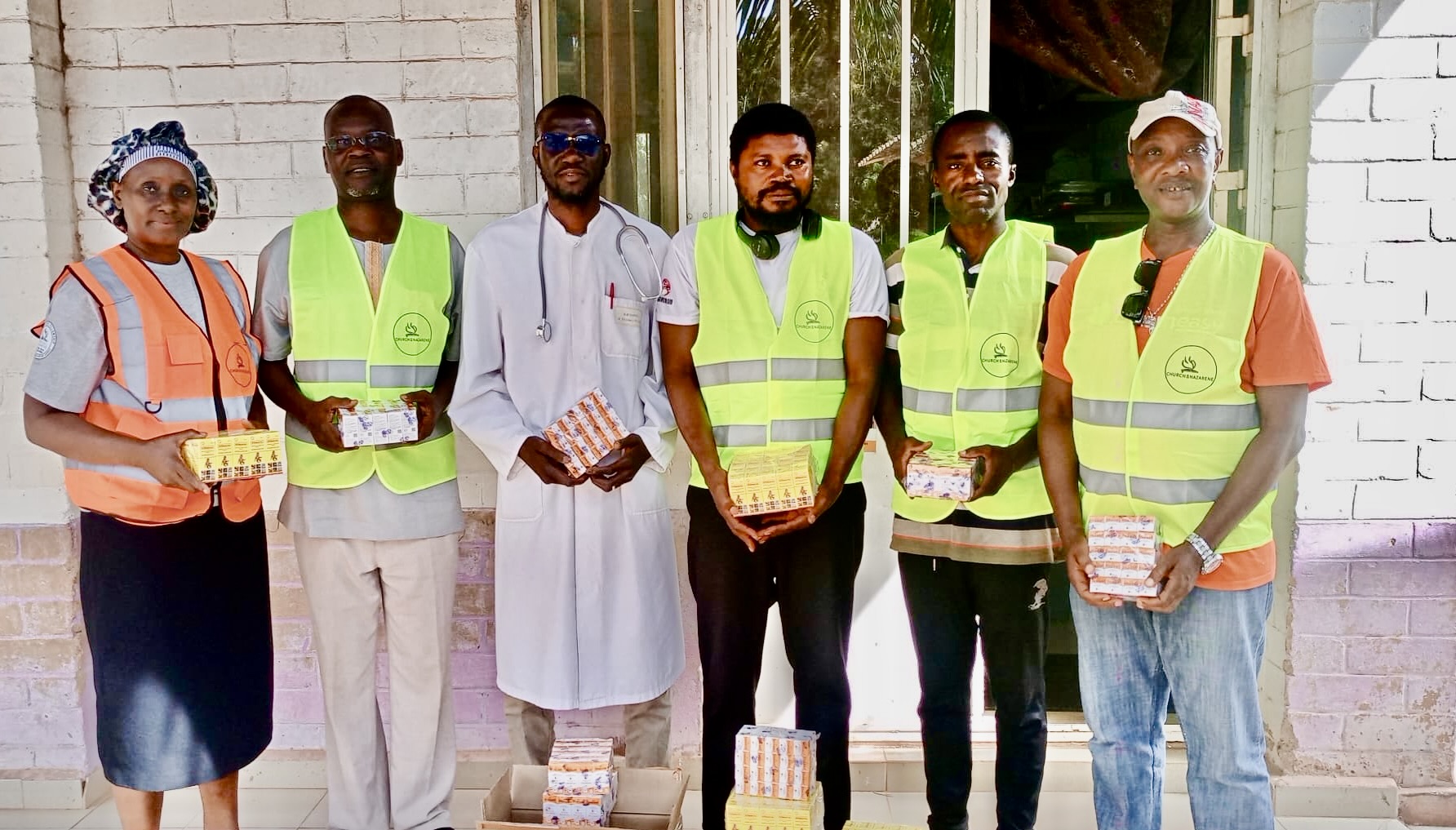
In an initiative organised by the Oasis of Hope Church of the Nazarene in the Gambia and in collaboration with Dr Segun Grey-Johnson, the Banjulinding Health Centre and a CDC Clinic, children in Lamin on the West Coast Region of the Gambia were able to receive doses of Albendazole and Mabendazole syrup to eradicate parasites. In late April 2026, a dedicated team of church members worked tirelessly to deliver these 500 treatments. More outreaches are planned in the future.
The Church of the Nazarene’s collaborative effort goes beyond mere charity—it is a genuine expression of love and care for every child in the area. Dr Segun Grey-Johnson observed, “This is a great initiative, and the CDC is eager to collaborate further with you to tackle the challenges facing our people. We’re ready to work with you as a church in many more areas.” Our medicare team, including Fatmata, Ingline, Isata, Larion, Inglish, Elder Charles, Elder Marius, Sarah, Lillian, and Rev Amolo, worked tirelessly, delivering these treatments and providing support to families who often face challenges in accessing healthcare.
The Church of the Nazarene in Gambia stands as a beacon of hope, committed to uplifting children and supporting the wider community through compassion. Through these efforts, the church is not only enhancing the health of hundreds of children but is also fortifying connections throughout Lamin. Parents have witnessed the church’s genuine compassion, while children have left with bright smiles, reassured that their community cares for their future. With each act of kindness, the Church of the Nazarene continues to inspire unity, generosity, and hope, transforming lives one child and family at a time.
The church believes that impacting the lives of children contributes to the well-being of communities. Children in the country are particularly susceptible to infectious parasitic worms. In Lamin, children have been notably affected by roundworms, hookworms, and whipworms. The lack of adequate sanitation, limited access to clean water and poor hygiene contribute to their suffering from abdominal discomfort, malnutrition, anaemia and impaired cognitive and physical development. Timely diagnosis and interventions are essential to mitigate the long-term effects of these diseases on children’s overall well-being.